
With wildfires becoming more frequent in recent years, it’s a reminder that an emergency can happen anytime. Having a plan in place — including how you’ll care for your pets and livestock — is one of the best ways to stay prepared. In all cases, whether it’s livestock or companion animals, we urge Albertans to make a plan for their animals.
As part of the planning, Albertans should reach out to their municipality now to see what kind of support will be available from the municipality to care for pets and farm animals should they be forced to evacuate.
Be Pet Prepared for an Emergency
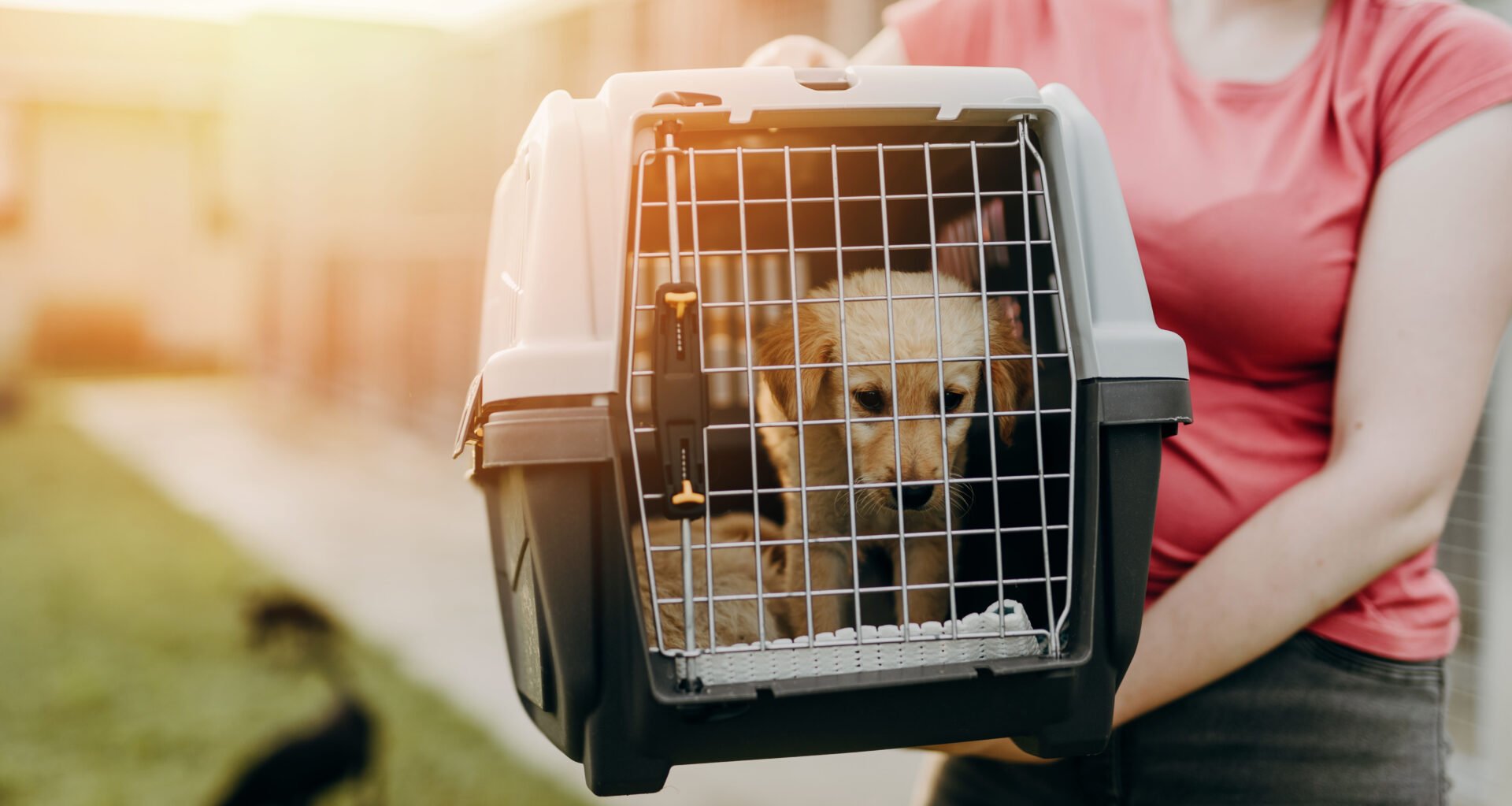
It is always best to take your pets with you when you evacuate. Your pet emergency kit should contain everything you will need to care for your animal away from your home for up to two weeks.
Your kit should include:
- sturdy pet carrier or crate (labelled with pet’s name & your contact info)
- food & bottled water (7–14 days’ worth)
- medications (2 weeks supply)
- copy of pet’s medical records and vaccinations (in waterproof container)
- food & water dishes
- extra leash, harness and collar
- kitty litter and tray (foil roasting pans work as an alternative litter box)
- extra toys & blankets
Use your pet carrier to store your emergency supplies.
It is also important to have your pet’s vaccinations up-to-date and to have a record of them with you. If you need to take your pet to any type of boarding facility, you will be required to show proof your pet’s vaccinations are current.
Evacuating without Your Pets
In some circumstances, you may be forced to evacuate without your pet. Reuniting with animals during a disaster can be complicated.
To improve your chances of being reunited:
- have pets licensed with your local municipality so the details of your animals are established and recorded
- have up-to-date ID for animals
- a legible tattoo or microchip
- ID tag with animal’s name, your phone number & urgent medical needs
- keep recent photos of pets with you (on your phone)
If you must leave your pets behind, increase their chances of survival by:
- not confining or tethering them
- leaving out lots of food
- leaving out lots of water such as filling a bathtub, sink or large container
Managing Livestock During an Emergency
Emergencies such as floods and wildfires can happen with little warning, and loading and transporting livestock can be a time-consuming process. That’s why it’s critical for livestock producers to have a comprehensive plan in place in order to manage and move their animals, and to help cope with stress and uncertainty.
Premises Identification (PID) is critical for identifying livestock during emergency situations. Producers are encouraged to make sure their PID accounts are up to date with respect to the species of animals that they have and their current contact information.
Producers are also encouraged to connect with their municipalities to see what support the municipality is planning to provide livestock producers during an evacuation.
Make a Plan
Animal owners need to have a plan for how to evacuate with their livestock, as well as what to do if they need to evacuate without their animals.
Explore options in advance for where you might move your livestock if you are forced to evacuate. Plan how you will move the animals, including what equipment is available for loading and transporting, and who can help you load.
Loading and transporting livestock can be a time-consuming process.
- have a plan on how and where you can move your animals to on short notice
- what equipment will you use?
- who can help you?
- have feed and water sourced for the animals in advance of moving them to the new location
- practice loading and unloading, and with equipment the animals may not be familiar with, so that the animals are more prepared to load during an emergency
Create a contact list of people who you may need to call during an emergency. The list should include:
- neighbours
- livestock handlers
- veterinarians
- feed suppliers
If time allows, have feed and a water source in place at the location where the animals will be moved. Ensure food and water sources do not require power.
Ensure Animals are Visually Identifiable
An emergency evacuation will be chaotic. Livestock producers should ensure their animals are visually identifiable. This includes:
- identification on the animals with your contact information
- a file with all ID & ownership records
- all records stored onsite, offsite & digitally
- utilize the Alberta Government’s Premises Identification Program (PID)
- links livestock and poultry to land locations or premises
- allows emergency officials to contact livestock owners if an emergency situation is imminent for their location
Leaving Livestock Behind When Evacuating
Producers may not have time to move livestock during a disaster, or it may not be practical to move an entire herd or flock.
An on-farm emergency plan needs to consider how producers will maintain critical services to their animals should the animals need to be left behind, and how bio security will be maintained should emergency assistance be required to help care for the animals on the farm.
If animals need to be left behind, take steps to give them their best chance of survival by taking the following steps:
- leave a minimum of 72 hours worth of food & water
- ensure food & water sources don’t require power
- open gates or reroute fencing
- close barn doors so animals do not go back inside
- ensure livestock handling equipment is readily available for emergency responders
- connect with emergency contacts about ongoing feeding & watering of animals
- ensure animals are visually identifiable
- store records listing your animals in a conspicuous place in or near your barn
Additional Resources
You can find additional resources on preparing for disasters and other emergencies on the Government of Alberta website: